Gallery
엔젤스 바르셀로나⎮ángels barcelona
엔젤스 바르셀로나는 세상을 보고 이해하는 새로운 방식을 제안하고 여러 학문을 넘나들며 탐구하며 실험적인 실천을 발전시키는 예술가들을 지원합니다. 바르셀로나의 활기찬 라발 지구에 기반을 둔 저희는 활동과 협업의 역동적인 프로그램을 육성합니다.
Angels Barcelona supports artists who propose new ways of seeing and understanding the world, exploring across disciplines and developing experimental practices. Based in the vibrant Raval neighborhood of Barcelona, we foster a dynamic program of activities and collaborations.
엔젤스 바르셀로나는 세상을 보고 이해하는 새로운 방식을 제안하고 여러 학문을 넘나들며 탐구하며 실험적인 실천을 발전시키는 예술가들을 지원합니다. 바르셀로나의 활기찬 라발 지구에 기반을 둔 저희는 활동과 협업의 역동적인 프로그램을 육성합니다.
Angels Barcelona supports artists who propose new ways of seeing and understanding the world, exploring across disciplines and developing experimental practices. Based in the vibrant Raval neighborhood of Barcelona, we foster a dynamic program of activities and collaborations.
엔젤스 바르셀로나⎮ángels barcelona
Gallery
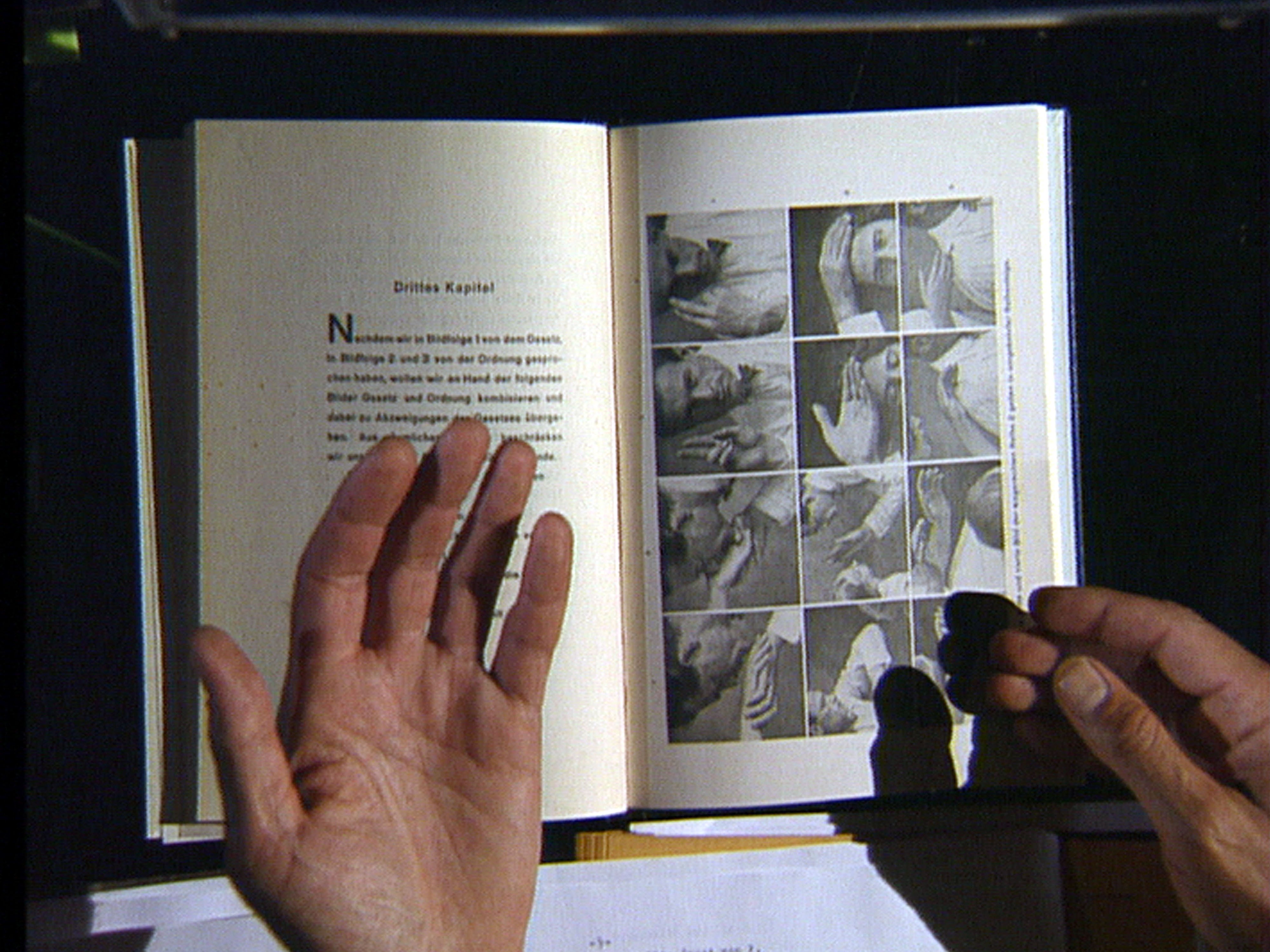
The Expression of Hands (손의 표정)
Video Betasp transferred to digital file, color, sound,1:1,37, col. / 디지털 파일로 전환된 비디오 베타캠SP, 컬러, 사운드, 컬러
6/10 / 애디션 6/10
Duration: 30:00 / 러닝타임: 30분
하룬 파로키의 손의 표정(1997)은 단편 실험 영화이자 그의 가장 상징적인 작품 중 하나로, 이미지와 시각 문화를 분석하는 그의 실천을 전형적으로 보여줍니다. 역사적으로 영화적 클로즈업은 얼굴 표정을 통해 감정을 전달하는 데 사용되었으나, 영화 제작자들은 곧 강력한 표현 도구로서 손에 주목하기 시작했습니다.
영화 발췌본을 사용하여 파로키는 이 시각적 언어, 즉 그 상징성, 프로이트적 실수, 자동증, 그리고 심지어 그 음악성까지 탐구합니다. 손은 종종 얼굴이 숨기려고 시도하는 감정을 드러내며 긴장, 욕망 또는 망설임을 노출합니다. 그것들은 또한 돈의 교환에서와 같은 통로 역할을 하거나 노동에서의 기술과 능숙함의 표식 역할을 할 수도 있습니다.
이러한 몸짓들을 원래의 맥락에서 분리함으로써 파로키는 영화에서 반복되는 패턴을 발견하는 시각적 에세이를 구성합니다. 이 영화는 궁극적으로 이미지를 통해 의미가 어떻게 구축되는지를 성찰하며, 아주 작은 신체 움직임조차 복잡한 상징적, 감정적 무게를 지닐 수 있음을 보여줍니다.
The "Expression of Hands" (1997) by Harun Farocki is a short experimental film and one of his most iconic works, exemplifying his practice of analyzing images and visual culture. Historically, cinematic close-ups were used to convey emotions through facial expressions, but filmmakers soon turned their attention to hands as powerful expressive tools.
Using film extracts, Farocki explores this visual language—its symbolism, Freudian slips, automatisms, and even its musicality. Hands often reveal emotions that faces attempt to conceal, exposing tension, desire, or hesitation. They can also function as conduits, such as in the exchange of money, or as markers of skill and competence in labor.
By isolating these gestures from their original contexts, Farocki constructs a visual essay that uncovers recurring patterns in cinema. The film ultimately reflects on how meaning is built through images, showing that even the smallest bodily movements can carry complex symbolic and emotional weight.
손의 표정 ⎮The Expression of Hands
Gallery
엔젤스 바르셀로나⎮ángels barcelona
엔젤스 바르셀로나는 세상을 보고 이해하는 새로운 방식을 제안하고 여러 학문을 넘나들며 탐구하며 실험적인 실천을 발전시키는 예술가들을 지원합니다. 바르셀로나의 활기찬 라발 지구에 기반을 둔 저희는 활동과 협업의 역동적인 프로그램을 육성합니다.
Angels Barcelona supports artists who propose new ways of seeing and understanding the world, exploring across disciplines and developing experimental practices. Based in the vibrant Raval neighborhood of Barcelona, we foster a dynamic program of activities and collaborations.
The Expression of Hands (손의 표정)
Video Betasp transferred to digital file, color, sound,1:1,37, col. / 디지털 파일로 전환된 비디오 베타캠SP, 컬러, 사운드, 컬러
6/10 / 애디션 6/10
Duration: 30:00 / 러닝타임: 30분
하룬 파로키의 손의 표정(1997)은 단편 실험 영화이자 그의 가장 상징적인 작품 중 하나로, 이미지와 시각 문화를 분석하는 그의 실천을 전형적으로 보여줍니다. 역사적으로 영화적 클로즈업은 얼굴 표정을 통해 감정을 전달하는 데 사용되었으나, 영화 제작자들은 곧 강력한 표현 도구로서 손에 주목하기 시작했습니다.
영화 발췌본을 사용하여 파로키는 이 시각적 언어, 즉 그 상징성, 프로이트적 실수, 자동증, 그리고 심지어 그 음악성까지 탐구합니다. 손은 종종 얼굴이 숨기려고 시도하는 감정을 드러내며 긴장, 욕망 또는 망설임을 노출합니다. 그것들은 또한 돈의 교환에서와 같은 통로 역할을 하거나 노동에서의 기술과 능숙함의 표식 역할을 할 수도 있습니다.
이러한 몸짓들을 원래의 맥락에서 분리함으로써 파로키는 영화에서 반복되는 패턴을 발견하는 시각적 에세이를 구성합니다. 이 영화는 궁극적으로 이미지를 통해 의미가 어떻게 구축되는지를 성찰하며, 아주 작은 신체 움직임조차 복잡한 상징적, 감정적 무게를 지닐 수 있음을 보여줍니다.
The "Expression of Hands" (1997) by Harun Farocki is a short experimental film and one of his most iconic works, exemplifying his practice of analyzing images and visual culture. Historically, cinematic close-ups were used to convey emotions through facial expressions, but filmmakers soon turned their attention to hands as powerful expressive tools.
Using film extracts, Farocki explores this visual language—its symbolism, Freudian slips, automatisms, and even its musicality. Hands often reveal emotions that faces attempt to conceal, exposing tension, desire, or hesitation. They can also function as conduits, such as in the exchange of money, or as markers of skill and competence in labor.
By isolating these gestures from their original contexts, Farocki constructs a visual essay that uncovers recurring patterns in cinema. The film ultimately reflects on how meaning is built through images, showing that even the smallest bodily movements can carry complex symbolic and emotional weight.
손의 표정 ⎮The Expression of Hands
하룬 파로키 (1944-2014)
Harun Farocki
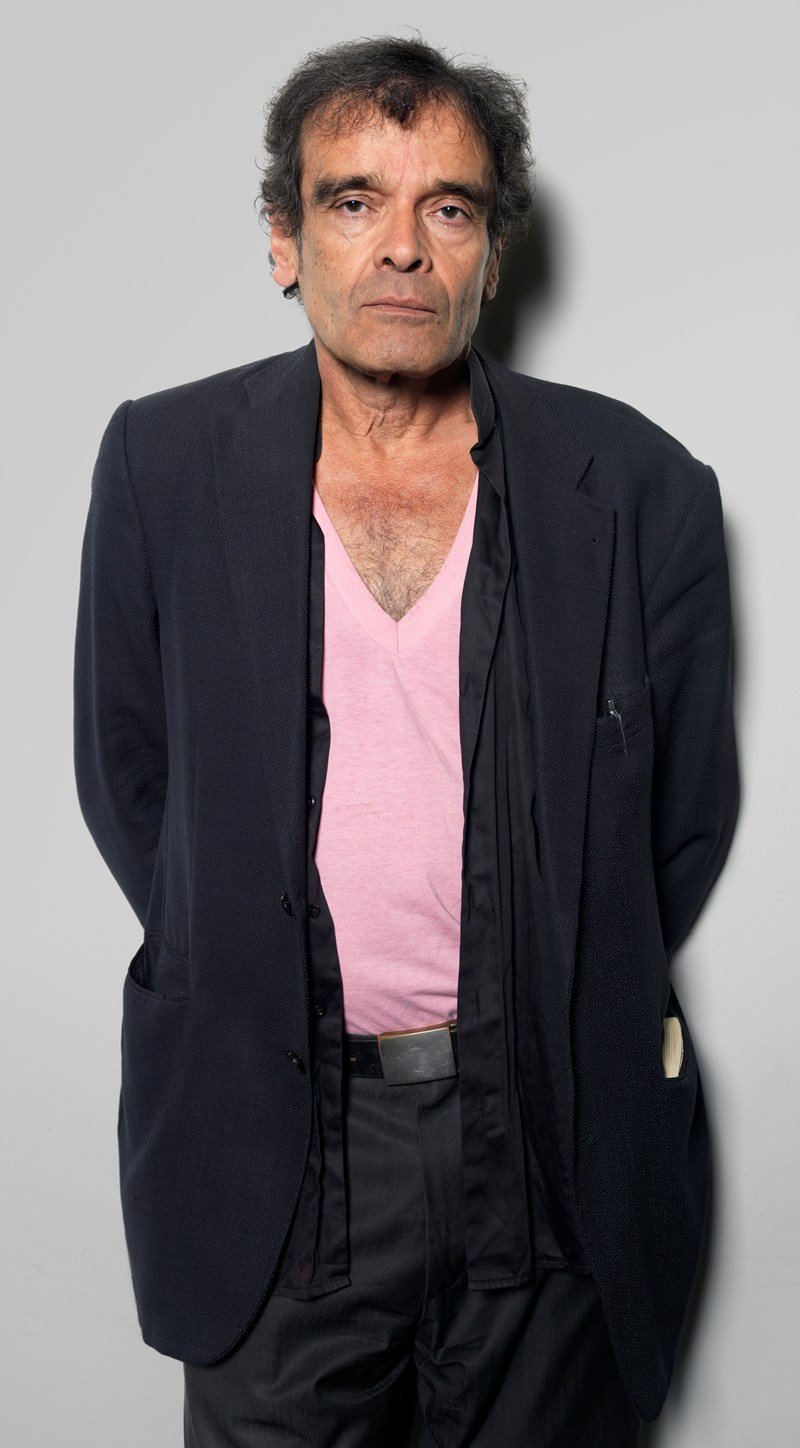
하룬 파로키는 영화감독, 미디어 아티스트이자 이론가였습니다. 그는 1944년 오늘날 체코 공화국인 노비 지친에서 태어나 2014년 베를린에서 사망했습니다. 파로키는 1966년부터 1968년까지 독일 영화 텔레비전 아카데미 베를린(DFFB)에서 공부한 후 프리랜서로 영화 및 TV 제작 분야에서 일했습니다. 파로키는 정치적 모더니즘과 급진적 아방가르드 시기인 1960년대에 영화 경력을 시작했습니다. 그는 1975년 카예 뒤 시네마가 파로키는 누구인가?라는 제목으로 그를 다룬 이후 국제적인 주목을 받았습니다. 그의 작품들이 주로 독일어권 지역에 소개되었기 때문에 일부에서는 그를 독일에서 가장 잘 알려진 무명 영화감독이라고 부르기도 했습니다. 파로키의 작품은 영화, 비디오테이프, 멀티미디어 설치 등 광범위한 주제를 다룹니다.
Harun Farocki was a filmmaker, media artist and theorist. He was born in Novy Jicin in 1944, in what is today the Czech Republic and he died in Berlin in 2014. After Farocki studied at the Deutsch Film-und Fernsehakademie Berlin (DFFB) from 1966 to 1968, he worked in film and TV productions as a freelance. Farocki started his film career in 1960s, a period of political modernism and radical avant-garde. He received international attention after Cahiers du Cinema covered him under the title of Who is Farocki? in 1975. Some have called him ‘Germany's best-known unknown filmmaker' since his works had been introduced mostly in German speaking area. Farocki's works treat a wide spectrum of subjects such as film, videotapes, multimedia installation, and so on.
The Expression of Hands (손의 표정)
Video Betasp transferred to digital file, color, sound,1:1,37, col. / 디지털 파일로 전환된 비디오 베타캠SP, 컬러, 사운드, 컬러
6/10 / 애디션 6/10
Duration: 30:00 / 러닝타임: 30분
하룬 파로키의 손의 표정(1997)은 단편 실험 영화이자 그의 가장 상징적인 작품 중 하나로, 이미지와 시각 문화를 분석하는 그의 실천을 전형적으로 보여줍니다. 역사적으로 영화적 클로즈업은 얼굴 표정을 통해 감정을 전달하는 데 사용되었으나, 영화 제작자들은 곧 강력한 표현 도구로서 손에 주목하기 시작했습니다.
영화 발췌본을 사용하여 파로키는 이 시각적 언어, 즉 그 상징성, 프로이트적 실수, 자동증, 그리고 심지어 그 음악성까지 탐구합니다. 손은 종종 얼굴이 숨기려고 시도하는 감정을 드러내며 긴장, 욕망 또는 망설임을 노출합니다. 그것들은 또한 돈의 교환에서와 같은 통로 역할을 하거나 노동에서의 기술과 능숙함의 표식 역할을 할 수도 있습니다.
이러한 몸짓들을 원래의 맥락에서 분리함으로써 파로키는 영화에서 반복되는 패턴을 발견하는 시각적 에세이를 구성합니다. 이 영화는 궁극적으로 이미지를 통해 의미가 어떻게 구축되는지를 성찰하며, 아주 작은 신체 움직임조차 복잡한 상징적, 감정적 무게를 지닐 수 있음을 보여줍니다.
The "Expression of Hands" (1997) by Harun Farocki is a short experimental film and one of his most iconic works, exemplifying his practice of analyzing images and visual culture. Historically, cinematic close-ups were used to convey emotions through facial expressions, but filmmakers soon turned their attention to hands as powerful expressive tools.
Using film extracts, Farocki explores this visual language—its symbolism, Freudian slips, automatisms, and even its musicality. Hands often reveal emotions that faces attempt to conceal, exposing tension, desire, or hesitation. They can also function as conduits, such as in the exchange of money, or as markers of skill and competence in labor.
By isolating these gestures from their original contexts, Farocki constructs a visual essay that uncovers recurring patterns in cinema. The film ultimately reflects on how meaning is built through images, showing that even the smallest bodily movements can carry complex symbolic and emotional weight.
손의 표정 ⎮The Expression of Hands
하룬 파로키 (1944-2014)
Harun Farocki
하룬 파로키는 영화감독, 미디어 아티스트이자 이론가였습니다. 그는 1944년 오늘날 체코 공화국인 노비 지친에서 태어나 2014년 베를린에서 사망했습니다. 파로키는 1966년부터 1968년까지 독일 영화 텔레비전 아카데미 베를린(DFFB)에서 공부한 후 프리랜서로 영화 및 TV 제작 분야에서 일했습니다. 파로키는 정치적 모더니즘과 급진적 아방가르드 시기인 1960년대에 영화 경력을 시작했습니다. 그는 1975년 카예 뒤 시네마가 파로키는 누구인가?라는 제목으로 그를 다룬 이후 국제적인 주목을 받았습니다. 그의 작품들이 주로 독일어권 지역에 소개되었기 때문에 일부에서는 그를 독일에서 가장 잘 알려진 무명 영화감독이라고 부르기도 했습니다. 파로키의 작품은 영화, 비디오테이프, 멀티미디어 설치 등 광범위한 주제를 다룹니다.
Harun Farocki was a filmmaker, media artist and theorist. He was born in Novy Jicin in 1944, in what is today the Czech Republic and he died in Berlin in 2014. After Farocki studied at the Deutsch Film-und Fernsehakademie Berlin (DFFB) from 1966 to 1968, he worked in film and TV productions as a freelance. Farocki started his film career in 1960s, a period of political modernism and radical avant-garde. He received international attention after Cahiers du Cinema covered him under the title of Who is Farocki? in 1975. Some have called him ‘Germany's best-known unknown filmmaker' since his works had been introduced mostly in German speaking area. Farocki's works treat a wide spectrum of subjects such as film, videotapes, multimedia installation, and so on.
" height="1px" id="aM5_jgCE2" width="1374px"/></svg>)
© 2025 Loop Plus. All rights reserved.
서울 종로구 통일로 134, 돈의문 D-타워 22층
22 F, D Tower Donuimun, 134, Tongil-ro, Jongno-gu, Seoul, Republic of Korea

" height="17.00108800000004px" id="HYYJ2UnrG" width="17.00108800000004px"/><path d="M 4.353 8.706 C 1.953 8.706 0 6.754 0 4.353 C 0 1.953 1.953 0 4.353 0 C 6.754 0 8.706 1.953 8.706 4.353 C 8.706 6.754 6.754 8.706 4.353 8.706 Z M 4.353 1.458 C 2.757 1.458 1.457 2.757 1.457 4.354 C 1.457 5.951 2.756 7.25 4.353 7.25 C 5.95 7.25 7.249 5.951 7.249 4.354 C 7.249 2.757 5.95 1.458 4.353 1.458 Z" fill="rgb(107, 169, 240)" height="8.706223561853104px" id="r5AMAIISy" transform="translate(4.146 4.146)" width="8.706223561853104px"/><path d="M 2.092 1.046 C 2.092 1.624 1.623 2.091 1.046 2.091 C 0.469 2.091 0 1.623 0 1.046 C 0 0.468 0.469 0 1.046 0 C 1.623 0 2.092 0.468 2.092 1.046 Z" fill="rgb(107, 169, 240)" height="2.0914828000000485px" id="ySiTbJZgI" transform="translate(11.994 2.853)" width="2.0915440000000487px"/></g></svg>)
LOOP PLUS Instagram
2025 LOOP LAP Busan

하룬 파로키 (1944-2014)
Harun Farocki
하룬 파로키는 영화감독, 미디어 아티스트이자 이론가였습니다. 그는 1944년 오늘날 체코 공화국인 노비 지친에서 태어나 2014년 베를린에서 사망했습니다. 파로키는 1966년부터 1968년까지 독일 영화 텔레비전 아카데미 베를린(DFFB)에서 공부한 후 프리랜서로 영화 및 TV 제작 분야에서 일했습니다. 파로키는 정치적 모더니즘과 급진적 아방가르드 시기인 1960년대에 영화 경력을 시작했습니다. 그는 1975년 카예 뒤 시네마가 파로키는 누구인가?라는 제목으로 그를 다룬 이후 국제적인 주목을 받았습니다. 그의 작품들이 주로 독일어권 지역에 소개되었기 때문에 일부에서는 그를 독일에서 가장 잘 알려진 무명 영화감독이라고 부르기도 했습니다. 파로키의 작품은 영화, 비디오테이프, 멀티미디어 설치 등 광범위한 주제를 다룹니다.
Harun Farocki was a filmmaker, media artist and theorist. He was born in Novy Jicin in 1944, in what is today the Czech Republic and he died in Berlin in 2014. After Farocki studied at the Deutsch Film-und Fernsehakademie Berlin (DFFB) from 1966 to 1968, he worked in film and TV productions as a freelance. Farocki started his film career in 1960s, a period of political modernism and radical avant-garde. He received international attention after Cahiers du Cinema covered him under the title of Who is Farocki? in 1975. Some have called him ‘Germany's best-known unknown filmmaker' since his works had been introduced mostly in German speaking area. Farocki's works treat a wide spectrum of subjects such as film, videotapes, multimedia installation, and so on.
LOOP PLUS Instagram
2025 LOOP LAP Busan
© 2025 Loop Plus. All rights reserved.
서울 종로구 통일로 134, 돈의문 D-타워 22층
22 F, D Tower Donuimun, 134, Tongil-ro, Jongno-gu, Seoul,
Republic of Korea